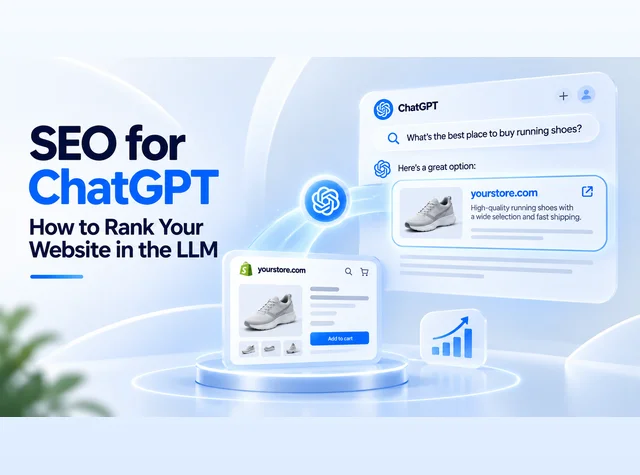
Ranking on Google used to be the main search goal for ecommerce brands. Now a shopper can ask ChatGPT for the best running shoes for flat feet, a skincare product under $50, or a gift for someone who travels often and get a shortlist without opening a traditional search results page.
That creates a new visibility problem for Shopify brands.
Your store may rank well on Google and still be missing when ChatGPT answers the questions your customers are asking. SEO for ChatGPT is about closing that gap by making your website easier for AI systems to access, understand, verify, and use in their answers.
In this article, we’ll cover how ChatGPT SEO works, what helps a website appear in AI-generated answers, and what Shopify brands should improve first.
There Is No Single ChatGPT Ranking
When people talk about ranking in ChatGPT, it can sound like traditional SEO, where the goal is to move from position six to position three.
It does not work quite like that.
ChatGPT can generate different answers depending on the question, context, wording, and information available. A brand might appear for one highly specific buying question and be absent from another.
OpenAI also states that placement in ChatGPT search is not guaranteed. Websites must be accessible to its search crawler to be eligible, but several factors ultimately influence which sources it surfaces.
The goal of ChatGPT SEO is therefore not chasing one fixed position. It is increasing the number of relevant situations where your website is useful enough to be found, understood, and referenced.
Start With a Crawlable Technical Foundation
Before improving content, make sure ChatGPT can reach it.
OpenAI recommends allowing OAI-SearchBot if you want pages to be eligible for ChatGPT search results. Blocking the crawler through robots.txt, a firewall, a CDN, or bot protection can prevent your content from appearing in search answers.
Your development team can review the official OpenAI crawler documentation when checking access.
Traditional SEO basics still matter, too. Important product, collection, and content pages should be crawlable, internally linked, fast, and technically clean.
A broader ecommerce growth audit can help uncover technical issues that affect both traditional search visibility and newer AI discovery channels.
Make Your Pages Easy to Understand
LLM ranking starts with clarity.
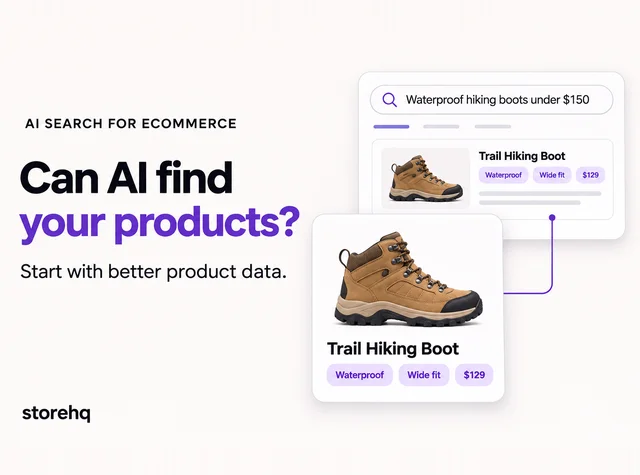
A product page that says very little beyond a product name, a few lifestyle photos, and a short description gives an AI system limited information to use.
For Shopify products, useful pages should clearly explain:
- what the product is
- who it is designed for
- important features and specifications
- materials, sizing, pricing, and variants
- relevant use cases
- shipping or return information when important
- common buyer questions
Think about how customers actually ask ChatGPT questions.
Someone may not ask for “men’s waterproof backpack.” They might ask, “What is a good waterproof commuter backpack that fits a 16-inch laptop?”
Your content needs enough context for an AI system to understand whether your product actually fits that request.
Give Important Information Clear Context
Good content should be easy for shoppers to scan and easy for machines to interpret.
Use descriptive headings, concise sections, FAQs, comparison information, and consistent product details. Structured data can also help clarify information such as products, offers, availability, and reviews.
This does not mean adding schema and expecting an instant LLM ranking boost.
Your goal is to reduce ambiguity.
Your website, product feeds, marketplace listings, and other brand profiles should also align. Conflicting product names, specifications, pricing, or positioning make your information harder to trust.
Build Authority Beyond Your Store
A brand claiming its own product is the best option isn’t particularly strong evidence.
Independent reviews, editorial mentions, retailer listings, comparison articles, and other reputable third-party references can add context about your brand and products.
This makes review generation and digital PR relevant to AI visibility, not just reputation management.
The same principle applies to traditional ecommerce growth. Reviews can influence buyer confidence and conversion, so weak social proof is a common ecommerce revenue leak worth fixing, even outside AI search.
Track Whether You Actually Rank in ChatGPT
Do not only search your brand name.
Build a list of questions potential customers might ask before buying. Test product comparisons, “best for” searches, problem-based questions, and specific use cases.
Then monitor:
- whether your brand appears
- which products are recommended
- which competitors appear instead
- whether product information is accurate
- which sources are being referenced
Treat this as another part of your growth system.
If your visibility is weak, identify whether the problem is technical access, weak content, incomplete product information, limited authority, or something else before creating more pages.
That follows the same principle StoreHQ uses when diagnosing traffic, conversion, and retention problems: find the bottleneck before investing more resources.
Frequently Asked Questions
What is SEO for ChatGPT?
SEO for ChatGPT is the process of making your website easier for ChatGPT and related AI search experiences to access, understand, verify, and surface in relevant answers.
Can you guarantee a website will rank in ChatGPT?
No. There is no guaranteed placement. The goal is to improve eligibility, relevance, clarity, authority, and the chances of appearing for relevant questions.
Is ChatGPT SEO replacing traditional SEO?
No. Strong technical SEO, useful pages, internal linking, authority, and clear content still provide the foundation. AI visibility builds on those fundamentals.
How can Shopify brands improve ChatGPT visibility?
Start with crawlability, complete product information, structured data, buyer-focused content, reviews, consistent brand information, and credible third-party mentions.
Build for Search Wherever Customers Start
SEO for ChatGPT is not about finding a shortcut into an LLM. It is about making your Shopify store easier to understand and discover wherever customers start their search.
Strong technical foundations, clear product information, useful content, and trusted brand signals can support both traditional SEO and AI visibility.
Not sure how visible your store is in AI search?
Get a free growth audit from StoreHQ to uncover the SEO, product content, and AI discoverability gaps that may be holding your Shopify store back.

 8 min read